How to Choose the Best Food Packaging Boxes for Your Retail Business
Choosing the right food packaging boxes is crucial for every retail business. The choosing process involves multiple factors, including material choices, design elements, and sustainability. Each factor contributes meaningfully in preserving product quality and appealing to consumers. Retailers must consider how these factors match their brand values and industry standards. Recognizing these details can make a difference in long-term success. What specific criteria should retailers consider first to ensure the best packaging outcomes?
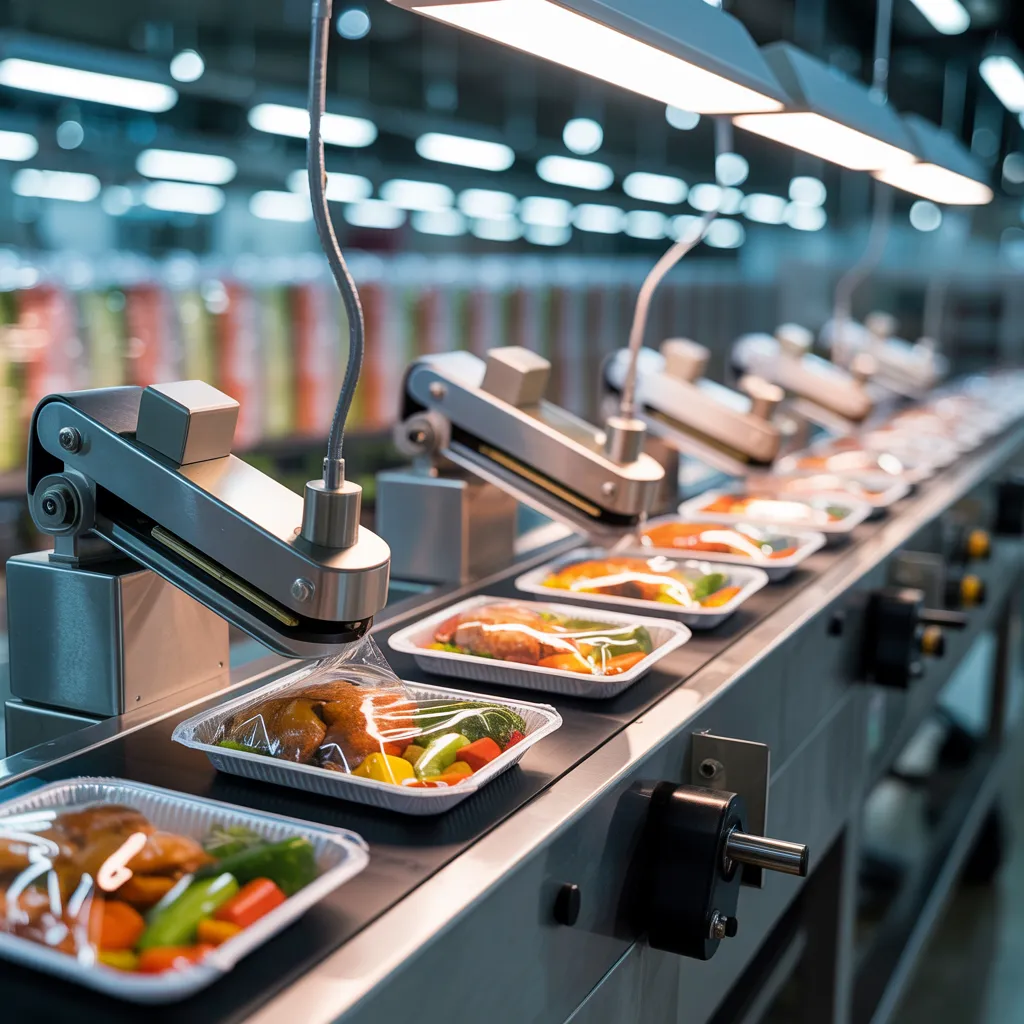
The Importance of Food Packaging for Retail Success
Food packaging serves an critical role in the performance of retail operations by influencing consumer perceptions and purchasing decisions. Well-designed packaging acts as a wordless brand ambassador, conveying essential details about the item while building a compelling visual impression. It stands out among competing products on store shelves and can set a product apart from rival brands.
Beyond this, packaging offers consumers assurance of product quality and safety, which is fundamental in the food industry. Precise labeling, appealing designs, and eco-friendly materials can enhance brand loyalty and drive repeat purchases. Furthermore, purposeful packaging can reflect the brand's values and story, creating a more meaningful connection with the consumer.
As e-commerce continues to grow, packaging plays a vital role in confirming that goods arrive without damage and maintain their appeal, influencing online reviews and customer satisfaction. In the end, thoughtful packaging is a significant component in increasing revenue and supporting sustained retail achievement.
Critical Materials Used in Food Packaging
Picking the correct substances for food packaging is vital for maintaining product integrity and ensuring safety. Different materials fulfill distinct purposes, affecting both preservation and consumer experience. Widely adopted options include paperboard, which offers durability and recyclability, making it an eco-friendly alternative. Plastic, particularly PET and HDPE, offers excellent barrier properties, protecting food from moisture and contamination. Glass containers are favored for their inert nature, preserving flavor and avoiding chemical interactions.
Metal-based packaging, including aluminum cans, is perfectly suited for extending shelf life, especially for perishable items. Moreover, compostable and biodegradable materials are becoming increasingly popular, supporting environmental objectives. Each packaging material's cost, availability, and compatibility with specific food types needs to be thoroughly assessed. In the end, choosing the appropriate packaging material not only safeguards food quality but also demonstrates a business's commitment to environmental responsibility and safety.
How to Design Packaging That Attracts Customers
Effective packaging design plays a pivotal role in attracting customers and enhancing brand visibility. To accomplish this goal, organizations should prioritize several critical components. As a starting point, the choice of color is crucial; vivid colors can trigger feelings and draw the gaze, whereas softer hues can communicate elegance. Additionally, font choices should be clean and easy to read, guaranteeing that brand titles and product descriptions are instantly recognizable at first sight.
Integrating creative forms or frameworks can additionally distinguish a product on packed display shelves, creating a memorable experience for shoppers. Additionally, graphics that communicate the product's standard or heritage can further entice customers. To conclude, integrating a narrative element or brand story onto the packaging nurtures a profound link with the desired audience, driving involvement and lasting dedication. By thoughtfully combining these elements, businesses can create packaging that not only attracts attention but also reinforces their brand identity.
Eco-Friendly Approaches in Food Packaging: Why They Are Important
As consumers continue to prioritize ecological responsibility, the significance of sustainable practices in food packaging cannot be overstated. Retail businesses are recognizing the importance of using eco-friendly materials that reduce waste and minimize their carbon footprint. Eco-friendly packaging solutions, including biodegradable, compostable, or recyclable materials, not only attract environmentally aware consumers but also strengthen brand reputation.
Incorporating sustainable practices promotes clarity and answerability, allowing businesses to resonate with the beliefs of their intended audience. In addition, industry regulations are moving toward more rigorous green regulations, making it essential for businesses to integrate eco-friendly packaging alternatives.
Investing in green strategies can result in long-term financial benefits, as organizations may minimize disposal costs and enhance overall performance. In the end, integrating sustainability in food packaging is not just a responsible obligation; it is a forward-thinking approach that places businesses favorably in an ever-expanding sustainability-driven marketplace.
Striking the Perfect Balance Between Cost and Quality in Packaging
Within the retail food sector, striking a balance between cost and quality in packaging is critical for business success. Businesses must carefully evaluate material options to secure product durability while also considering cost-effective design strategies that draw in buyers. This equilibrium can significantly influence both profitability and brand perception.
Assessing Material Choices
Selecting the right choice for food packaging boxes requires a detailed analysis of both financial and quality factors. Several options, such as plastic, cardboard, and biodegradable materials, present unique strengths and weaknesses. Paperboard is frequently recyclable and cost-effective, making it a widely preferred selection among businesses. Nevertheless, its sturdiness may sometimes not address the demands of particular food items. Plastic offers excellent resistance to moisture and can extend shelf life, but its effect on the environment creates concerns. Sustainable materials, while often more expensive, support environmental objectives and resonate with environmentally aware customers. At the end of the day, the decision-making process should harmonize these considerations, confirming the preferred material preserves the item while also addressing financial limitations and brand identity.
economical Design Solutions
Maintaining a equilibrium between cost and quality in food packaging necessitates strategic planning and creativity. Businesses in the retail sector should look into using standardized packaging sizes to lower manufacturing expenses while maximizing material efficiency. Implementing clean yet visually appealing designs can improve brand awareness without generating excessive costs. Furthermore, opting for versatile materials supports a variety of packaging needs, minimizing waste and maximizing resource utilization. Working with vendors to investigate bulk buying opportunities can further lower costs. Finally, incorporating sustainable practices, such as recyclable or biodegradable materials, not only resonates with sustainability-focused shoppers but can also result in lasting financial benefits. By adopting these budget-friendly approaches, companies can attain packaging solutions that satisfy quality standards without exceeding budgets.
Evaluating Packaging Options: Key Questions to Consider
What is the best way for a retail business to select the appropriate food packaging boxes? Evaluating packaging options requires careful consideration of several key questions. To begin, businesses must evaluate whether the material is appropriate for the specific food product being packaged. Does it meet food safety standards while also maintaining product freshness? Next, they must consider the design—does it align with the brand identity while also being functional for customers?
Expense is a further see the details essential factor. Is it possible for the business to copyright quality while remaining within budget? Moreover, businesses should evaluate the packaging's eco-friendliness. Can sustainable choices be found that lessen the impact on the environment?
Ultimately، storage and transportation logistics cannot be disregarded. Can the packaging be stored and transported without sustaining damage? By evaluating these factors, retail companies are able to make well-informed choices that boost product appeal and secure customer contentment.
Common Questions and Answers
What Are the Common Food Packaging Regulations I Should Know?
Frequent food packaging standards encompass compliance with safety standards, labeling mandates, material safety, and environmental guidelines. Furthermore, businesses must ensure that packaging avoids contamination and preserves product integrity over the course of its shelf life.
How Should I Evaluate Packaging Durability for My Products?
To evaluate packaging durability, one should conduct drop tests, compression tests, and moisture resistance evaluations. Examining how packaging holds up under various environmental conditions and handling procedures will yield important knowledge about its overall resilience and trustworthiness in safeguarding products.
Can I Customize Packaging for Seasonal Promotions?
Yes, packaging customization is possible for time-specific promotions. Organizations commonly craft special graphics, colors, and materials that correspond to the theme, boosting visual appeal while successfully delivering the promotional message to engage customers during festive periods.
What Are the Key Best Practices for Packaging Food for Delivery?
Effective food packaging for delivery includes employing robust, insulated materials to retain temperature, guaranteeing leak-resistant designs, and including clear labels for contents and handling directions. Moreover, environmentally conscious options boost customer appeal and ecological responsibility.
How Can I Manage Packaging Waste in My Business?
To handle packaging waste successfully, businesses should implement recycling programs, use eco-friendly materials, and encourage customers to return packaging. Regular audits can also identify waste reduction opportunities, fostering a more sustainable approach to operations.
Comments on “New Eco-Friendly Packaging”